Skip to content

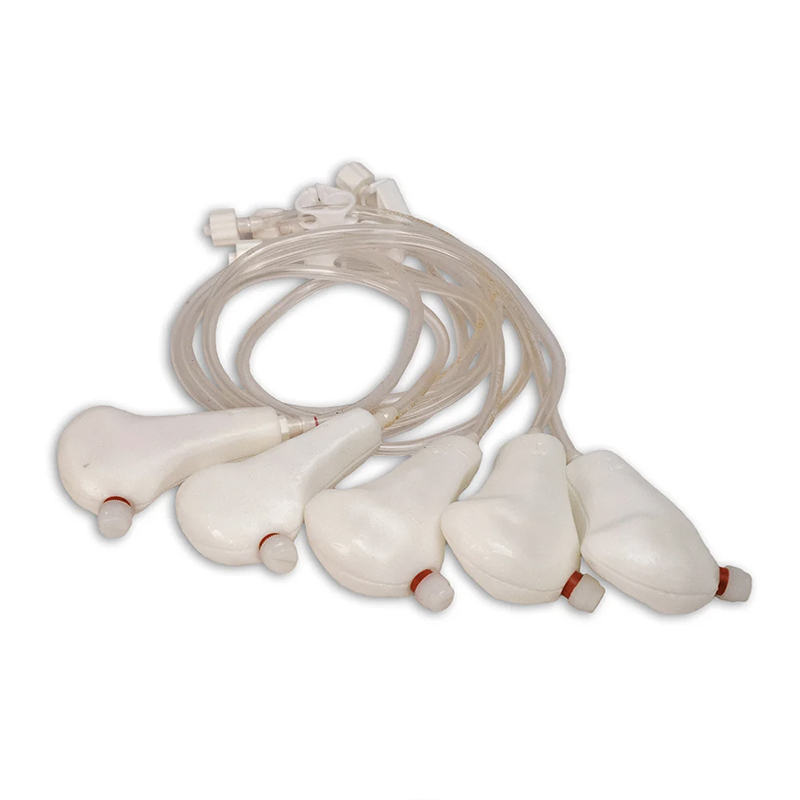
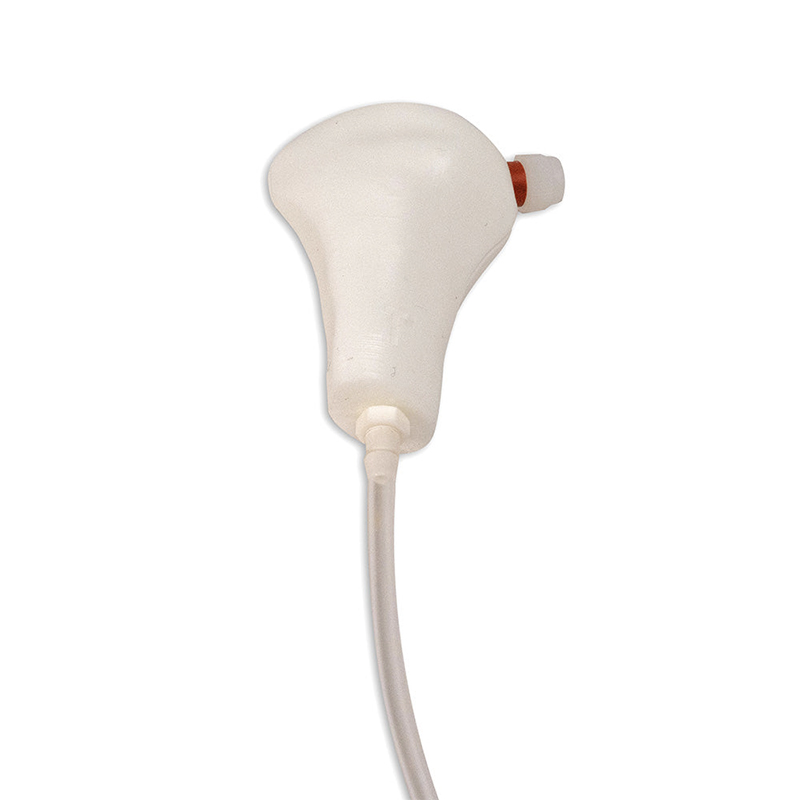
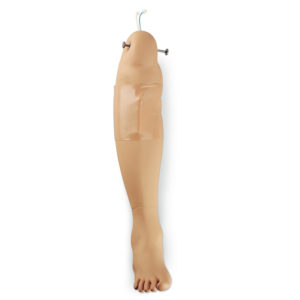
Manikin, Penny Pediatric Tibia,
$196.42
Buy NowKey Features
• Realistic Anatomy: The bones are molded from a 3-year-old’s femur, providing anatomically accurate landmarks for realistic training.
• Durability: The bones are designed to withstand multiple IO access attempts, with each bone allowing for numerous punctures on both sides.
• Reversibility: The femur bones are reversible, allowing a “new” bone to be used by simply flipping it over, doubling the practice opportunities.
• Fluid Functionality: They can be used dry or filled with simulated blood, allowing trainees to practice essential procedures like aspiration and flushing after an IO insertion.
• Package of Five: The bones are sold in a pack of five, which provides a cost-effective way to extend the life of a training simulator.
Uses
• Pediatric IO Access Training: The primary use is for medical professionals, including paramedics, nurses, and doctors, to develop confidence and competence in performing intraosseous access on pediatric patients in a safe, risk-free environment.
• Skills Development: It allows for repeated practice of IO insertions, helping to improve accuracy and proficiency in a critical, time-sensitive procedure.
• Simulation-Based Learning: It is used in medical schools, training programs, and hospitals to enhance curriculum with a realistic and durable solution for mastering pediatric IO access techniques.
Description
Key Features
• Realistic Anatomy: The bones are molded from a 3-year-old’s femur, providing anatomically accurate landmarks for realistic training.
• Durability: The bones are designed to withstand multiple IO access attempts, with each bone allowing for numerous punctures on both sides.
• Reversibility: The femur bones are reversible, allowing a “new” bone to be used by simply flipping it over, doubling the practice opportunities.
• Fluid Functionality: They can be used dry or filled with simulated blood, allowing trainees to practice essential procedures like aspiration and flushing after an IO insertion.
• Package of Five: The bones are sold in a pack of five, which provides a cost-effective way to extend the life of a training simulator.
Uses
• Pediatric IO Access Training: The primary use is for medical professionals, including paramedics, nurses, and doctors, to develop confidence and competence in performing intraosseous access on pediatric patients in a safe, risk-free environment.
• Skills Development: It allows for repeated practice of IO insertions, helping to improve accuracy and proficiency in a critical, time-sensitive procedure.
• Simulation-Based Learning: It is used in medical schools, training programs, and hospitals to enhance curriculum with a realistic and durable solution for mastering pediatric IO access techniques.