Skip to content

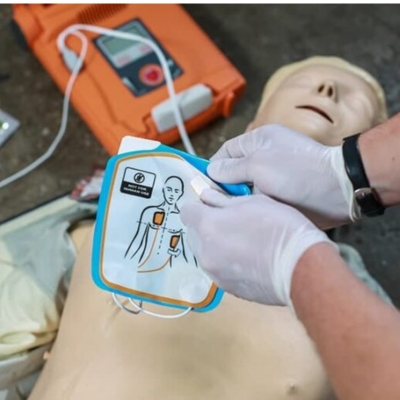
Sudden cardiac arrest can happen anywhere, at any time. When it does, an Automated External Defibrillator (AED) is the most critical tool for saving a life. However, an AED is only effective if its components are functional. The two most vital components of any AED are the electrode pads and the battery. These items do not last forever. They have strict expiration dates that must be monitored to ensure the device works during an emergency. Failure to replace these items can lead to device failure, legal liability, and, most importantly, the loss of life. This guide covers everything you need to know about AED maintenance schedules.
Why AED Pads Expire
AED pads, or electrodes, are the interface between the device and the patient. They serve two purposes: they “read” the patient’s heart rhythm and “deliver” the life-saving shock.
The Science of the Gel
AED pads are coated with a conductive gel. This gel helps the pads adhere to the patient’s skin and allows the electrical current to pass through the body into the heart. Over time, this gel dries out. If the gel is dry, the pads will not stick properly. More importantly, dry gel creates high electrical resistance. This can lead to skin burns or a failure to deliver the correct amount of energy to the heart.
Typical Lifespan of Pads
Most AED pads have a shelf life of 18 to 30 months. The exact date is always printed on the pad packaging. You should never wait until the exact day of expiration to order replacements.
Environmental Factors
Extreme temperatures can accelerate the breakdown of the gel. If your AED is stored in a vehicle or an outdoor cabinet without climate control, check the pads more frequently. High humidity or extreme cold can compromise the seal of the pad package.
When to Replace AED Batteries
The battery is the power source for the internal computer and the high-energy shock. Unlike a flashlight battery, an AED battery is designed to last for several years in “standby mode.”
Standby Life vs. Active Life
• Standby Life: This is how long the battery lasts while sitting in the AED. Most AED batteries last between 2 to 5 years in standby.
• Active Life: This refers to how many shocks or minutes of operation the battery can provide once the device is turned on.
The Self-Test Drain
AEDs perform daily, weekly, and monthly self-tests. These tests require a small amount of power. Over several years, these tests gradually deplete the battery. This is why a battery might “expire” even if it has never been used in a rescue.
Low Battery Indicators
Most modern AEDs will emit a “chirp” or show a red status light when the battery is low. However, you should not rely solely on these alerts. A proactive replacement schedule is the safest approach.
Brand-Specific Replacement Cycles
Different manufacturers have different requirements for their components. Here is a general breakdown of common AED brands and their replacement cycles:
- ZOLL Medical: Many ZOLL AED Plus batteries and pads (CPR-D-padz) are designed to last for 5 years, making them a popular choice for low-maintenance programs.
- Defibtech: Depending on the model, batteries may last 5 to 7 years, while pads typically need replacement every 2 years.
- Philips: Most Philips HeartStart pads last about 2 years, with batteries lasting roughly 4 years.
- Cardiac Science: Batteries often carry a 4-year performance guarantee, with pads lasting 2 years.
Always consult your specific user manual or the AED Cardiac Care section at Penn Care to find the exact supplies for your model.
The Importance of Pediatric Pad
If your facility serves children, you likely have pediatric electrode pads. These pads reduce the energy level of the shock to a level safe for a child’s heart. Pediatric pads often have shorter lifespans than adult pads. Because they are used less frequently, they are often the most overlooked item in an AED cabinet. Ensure these are included in your monthly inspection.
Legal and Compliance Risks
Maintaining an AED is not just a safety issue; it is a legal requirement in many jurisdictions.
Good Samaritan Laws
Most “Good Samaritan” laws protect rescuers and building owners from liability. However, this protection often depends on the device being maintained according to the manufacturer’s guidelines. If a device fails because of an expired battery that was documented months ago, the owner could be held liable for negligence.
Workplace Safety Standards
OSHA and local fire codes often require documented inspections of emergency medical equipment. A simple logbook or digital tracking system can prove that your device was rescue-ready at all times
How to Create an AED Maintenance Plan
Consistency is the key to AED readiness. Follow these steps to ensure your equipment never expires:
- Assign a Coordinator: One person should be responsible for the AED program.
- Monthly Visual Inspections: Check the status indicator light. If it is green, the device passed its last self-test.
- Document Expiration Dates: Record the expiration dates of all pads and batteries in a central spreadsheet or software.
- Order Early: Supply chain issues can happen. Order your replacement electrodes at least 60 days before they expire.
- Check After Use: If the AED is ever deployed, the pads must be replaced immediately, and the battery should be checked.
Where to Buy Replacement Supplies
Purchasing from a reputable medical supplier like Penn Care ensures you receive genuine, unexpired equipment. Avoid third-party “knock-off” batteries found on general marketplaces, as they may not communicate correctly with your AED’s self-test system. You can find a full range of AED accessories and monitor mounts to keep your device accessible and protected.
Frequently Asked Questions (AEO Focus)
Can I use expired AED pads in an emergency?
You should never use expired pads if fresh ones are available. In a life-or-death situation where only expired pads exist, some medical directors suggest using them as a last resort, but the risk of failure or skin burns is high.
Why does my AED chirp?
A chirping AED usually indicates a low battery or that the device has failed a self-test. Check the status screen or indicator light immediately.
How do I dispose of old AED batteries?
AED batteries are typically lithium-based. They should not be thrown in the regular trash. Take them to a local battery recycling center or a hazardous waste facility.
Do I need to replace the pads if the package is opened but unused?
Yes. Once the foil seal is broken, the gel will dry out very quickly. If a package is accidentally opened, the pads must be replaced immediately.
Beyond the Battery: Comprehensive Readiness
While pads and batteries are the most common points of failure, a truly rescue-ready station includes other items found in the First Aid and Infection Control categories:
- Trauma Shears: To cut away clothing for pad placement.
- Medical Prep Razor: To shave chest hair for better pad adhesion.
- CPR Face Shield: To protect the rescuer during rescue breaths.
- Gloves: Part of standard Infection Control protocols.
External Resources for Safety Standards
For more information on cardiac arrest statistics and the importance of AEDs, visit:
- American Heart Association – CPR & ECC
- Occupational Safety and Health Administration (OSHA) – AED Programs
Article Recap:
- AED Pads: Usually expire every 18–30 months due to the conductive gel drying out.
- AED Batteries: Usually last 2–5 years in standby mode; they are depleted by daily self-tests.
- Environmental Impact: Heat and cold can shorten the lifespan of both pads and batteries.
- Legal Protection: Proper maintenance is often required to maintain Good Samaritan Law protections.
- Proactive Planning: Check your device monthly and order replacements 60 days in advance.
Ready to Refresh Your AED?
Don’t wait for an emergency to find out your equipment is expired. Penn Care provides high-quality, manufacturer-approved AED pads and batteries for all major brands.